
Leadership has never been a static concept. What worked ten years ago is no longer enough today, and what works today will continue to evolve as the world around us changes.
We are living in a time where technology is accelerating faster than ever. AI can write code, analyze data, generate ideas, and automate entire workflows. Naturally, this raises an important question. If machines can handle more and more of the technical work, what is left for leaders?
The answer is simple: human skills.
Leadership is no longer about control
For a long time, leadership was associated with authority, decision making, and control. Leaders were expected to have answers, set direction, and make sure everything stayed on track.
That model is gradually losing relevance.
Today, teams operate with much more autonomy, knowledge is spread across individuals rather than centralized, and change happens so frequently that long term certainty is rare. On top of that, AI is lowering the barrier to expertise, making it easier for more people to access information and contribute at a high level.
In this environment, leadership is less about knowing everything and more about creating clarity in the middle of uncertainty, building trust across the team, and helping people perform at their best.
In many ways, leadership is becoming more human.
Why soft skills are becoming critical
As AI continues to evolve, technical skills are becoming more accessible. What once required years of experience can now be supported or accelerated by the right tools.
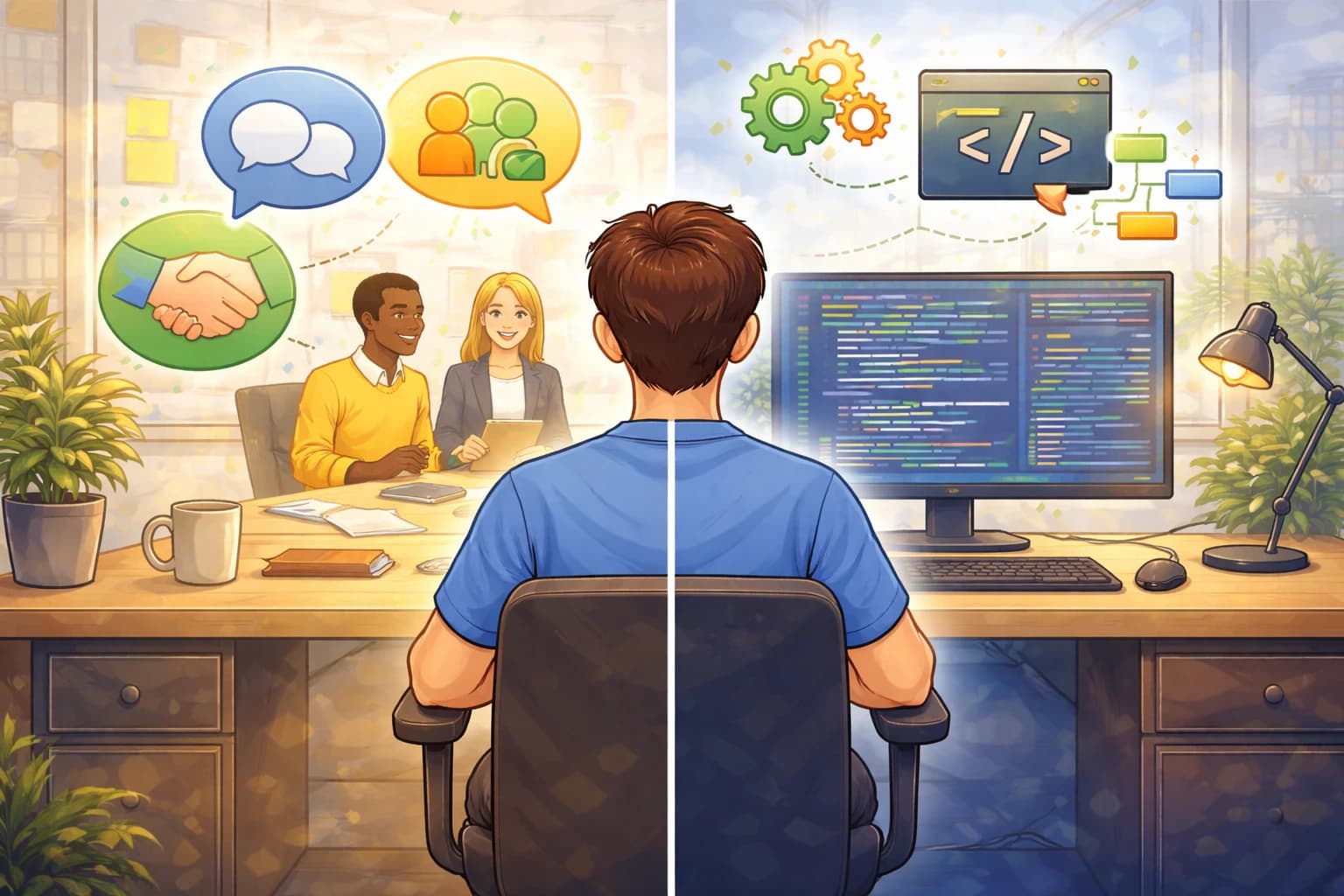
This does not mean technical skills are no longer important. They still matter, especially when it comes to understanding context and making informed decisions. However, they are no longer the main differentiator.
Soft skills are much harder to replicate because they rely on judgment, empathy, and an understanding of people and situations.
AI can generate an answer, but it cannot truly understand intention, emotion, or nuance in the same way a human can.
That is why the value of leadership is shifting toward capabilities that remain deeply human.
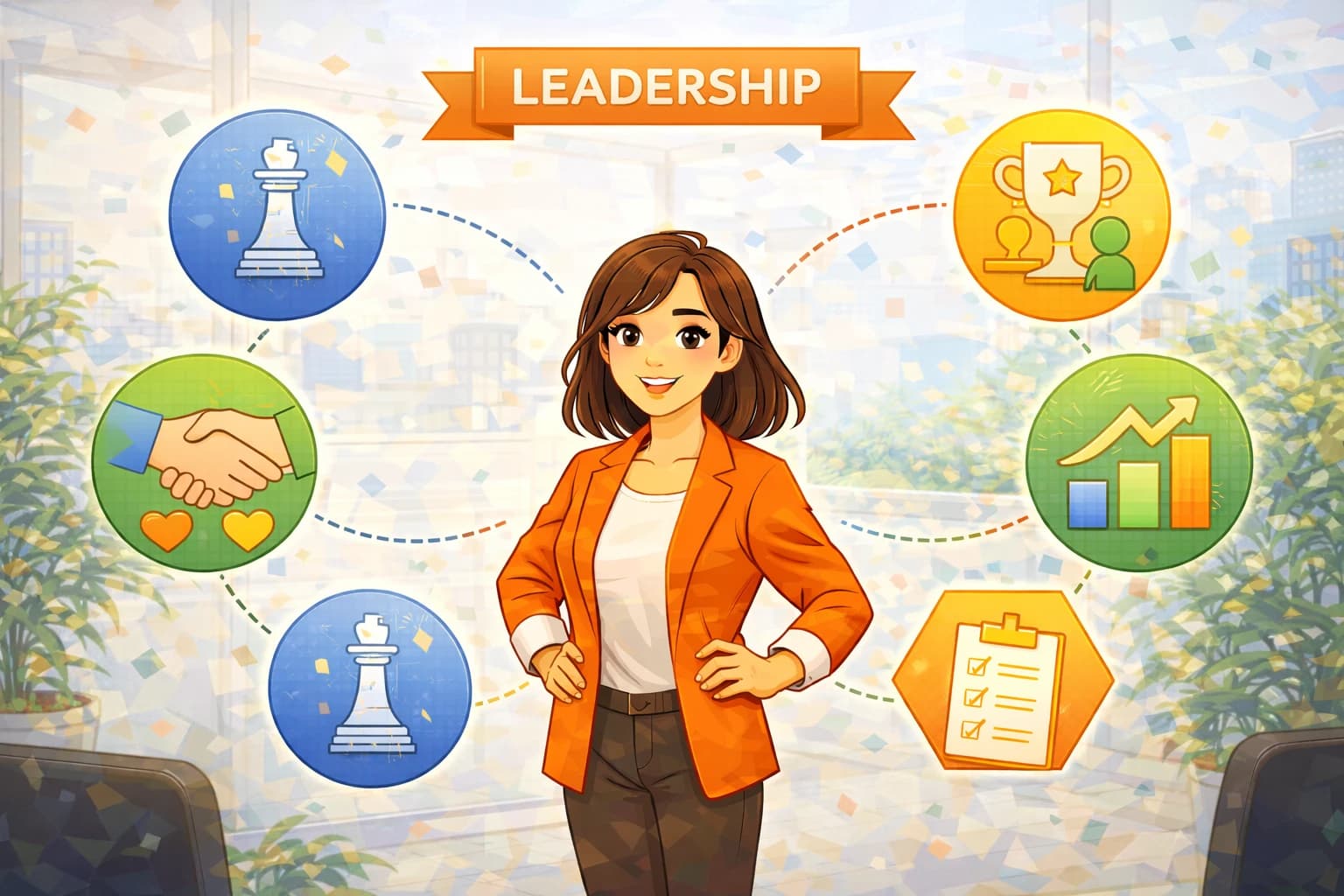
The leadership skills that will matter most
So what does this actually mean in practice? Which skills should leaders focus on developing?
1. Communication
Clear communication sits at the center of effective leadership.
It is not just about sharing information, but about making complex ideas understandable and ensuring that everyone is aligned around goals and expectations. Strong communication helps teams move in the same direction, reduces misunderstandings, and creates a sense of purpose.
When communication is done well, alignment happens naturally. When it is exceptional, it creates real momentum.
2. Emotional intelligence
Understanding people is becoming one of the most valuable skills a leader can have.
Leaders with strong emotional intelligence are able to read situations more accurately, respond appropriately to different personalities, and navigate tension without escalating it. They build trust faster because people feel seen and understood.
In a world where collaboration often happens through screens, this ability becomes even more important.
3. Adaptability
Change is no longer something that happens occasionally. It is part of everyday work.
Leaders need to stay effective even when priorities shift, strategies evolve, or new information changes the direction of a project. This requires a willingness to let go of rigid plans and adjust quickly without losing focus.
Adaptability is less about reacting and more about staying comfortable in an environment where not everything is fully defined.
4. Critical thinking
With AI generating ideas, options, and even decisions, the role of a leader is shifting toward evaluation rather than creation.
Critical thinking allows leaders to question assumptions, assess risks, and make decisions that are not just fast, but also thoughtful. It helps avoid situations where outputs are accepted without reflection or where speed replaces quality.
In a world full of answers, the ability to ask the right questions becomes a real advantage.
5. Ownership and accountability
Strong leadership requires taking responsibility for outcomes, not just actions.
Leaders set the tone for accountability within the team. When ownership is clear and consistent, trust grows naturally, both internally and with stakeholders. It creates an environment where people feel responsible not only for their tasks, but for the overall result.
6. Coaching and mentoring
Modern leadership is less about directing people and more about helping them grow.
Great leaders invest time in developing others by asking thoughtful questions, giving useful feedback, and supporting long term progress. They understand that the strength of the team is built over time through continuous learning.
As AI takes over more execution, the ability to unlock human potential becomes one of the most valuable contributions a leader can make.
7. Decision making under uncertainty
Leaders rarely have perfect information, yet decisions still need to be made.
This means balancing speed with responsibility, confidence with openness, and action with reflection. Good leaders are comfortable making calls even when not everything is clear, and they take responsibility for the outcomes that follow.
Why this shift is happening
This evolution in leadership is not random. It is driven by a combination of factors that are reshaping how organizations operate.
Technology is making knowledge and tools widely accessible, which means fewer barriers to entry and more people capable of contributing. At the same time, the problems organizations face are becoming more complex and often require collaboration across different areas.
On top of that, expectations toward leadership are changing. People are no longer looking only for direction. They want clarity, purpose, and opportunities to grow.
All of this naturally shifts the focus toward skills that help navigate complexity and work effectively with people.
Where a competency matrix becomes useful
Understanding which skills matter is one thing. Turning that understanding into something actionable is another. Many organizations struggle at this point because leadership skills can feel abstract and difficult to measure.
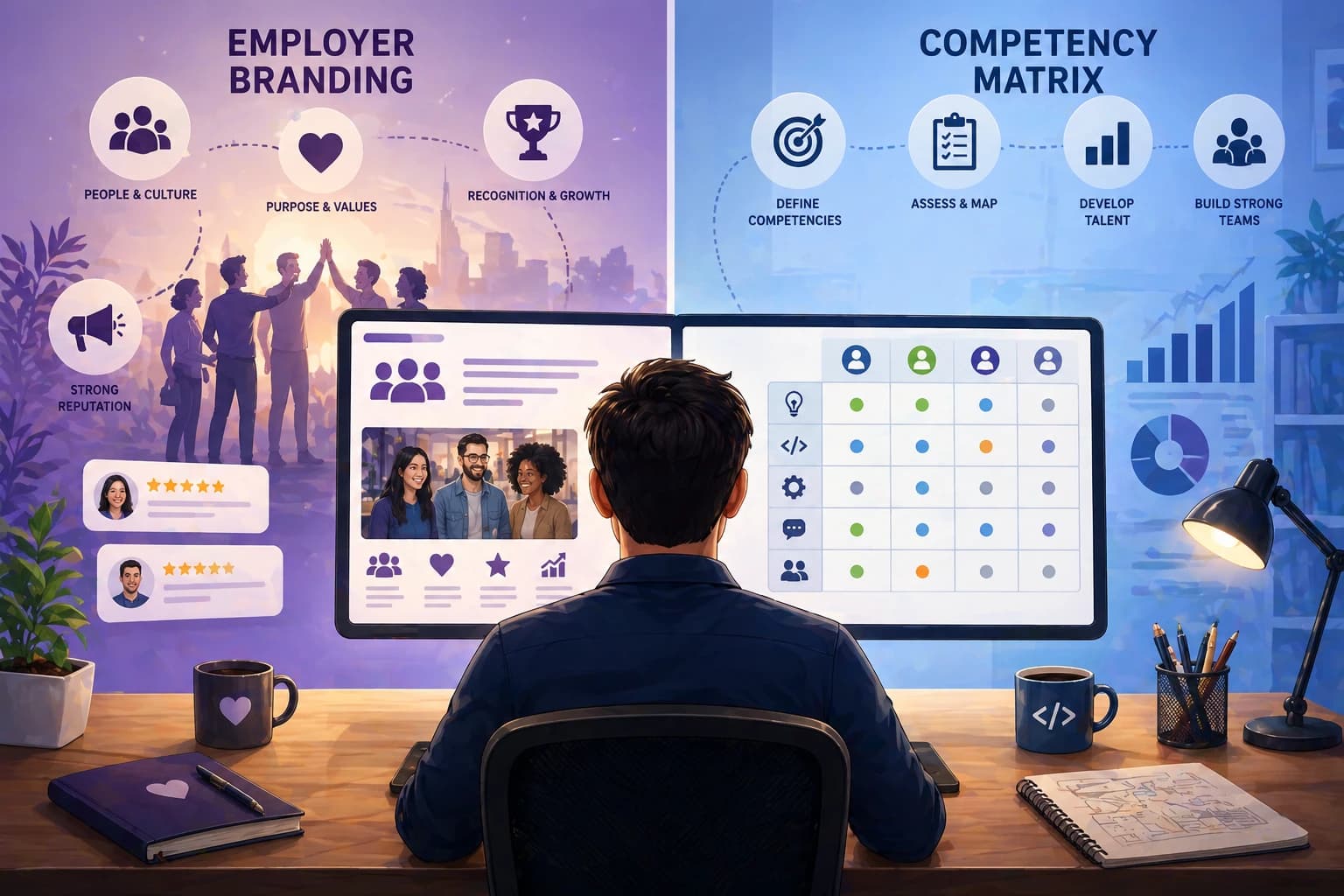
This is where a competency matrix becomes extremely useful:
It allows you to clearly define what good leadership looks like in your context, break down each skill into observable behaviors, and assess where individuals or teams currently stand. Instead of relying on subjective opinions, you gain a structured way to identify gaps and plan development.
Over time, this creates consistency. Leadership stops being something intuitive and becomes something that can be developed intentionally.
In the end
Leadership is not becoming easier, but it is becoming more meaningful.
The future will not reward those who simply know the most. It will reward those who can understand people, navigate uncertainty, and create environments where others can do their best work.
Technical skills will always play a role, but it is the human side of leadership that will ultimately define long term success. And the sooner these skills are developed in a structured way, the stronger and more resilient the organization becomes.